
Common Brick Problems Found in Older Michigan Homes
Special offer0% financing for 24 months + 24% off any job
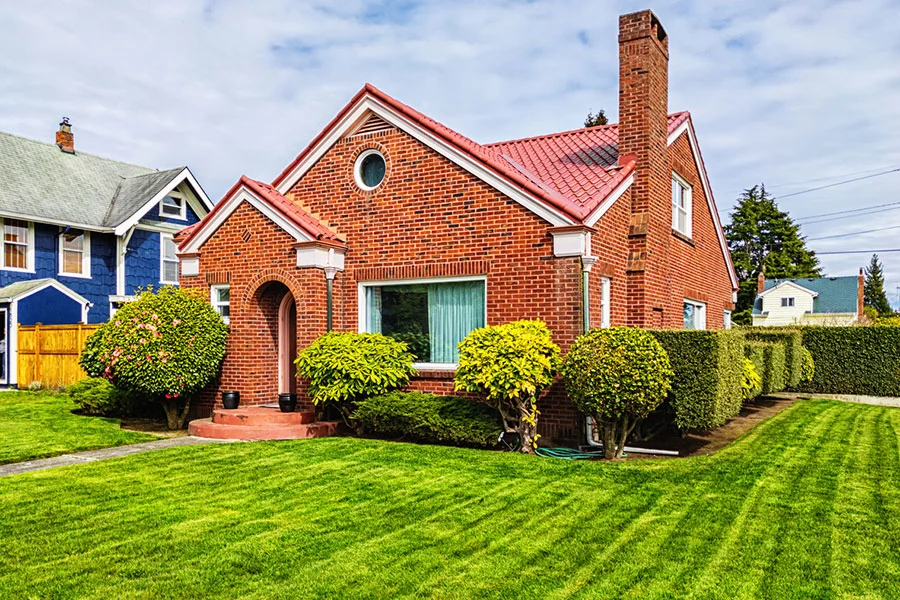
What brick problems are common in older Michigan homes?
Older Michigan homes often show crumbling mortar joints, spalled or cracked bricks, efflorescence, bulging walls, settled porches and steps, and deteriorating chimneys, all driven by decades of moisture and freeze-thaw cycles. Tuckpointing, brick replacement and targeted rebuilds fix most of these when caught early.
Nothing adds character and class to a home like brick features. However, that timeless character comes at a cost as the home grows older. That’s because aging masonry must contend with years and decades of harsh weather, moisture exposure, and shifting ground conditions common to Michigan.
If you have an older home with brick facades, patios, walkways, porches, steps, and driveways, you may notice that they are slowly deteriorating over time. The result isn’t just a cosmetic defect; if ignored, brick problems can lead to costly structural problems as well.
Due to repeated freeze-thaw cycles, outdoor masonry surfaces can crack, shift, and become water damaged. That’s why it’s so important to understand the early signs of brick deterioration so you can address problems now — before repairs become more extensive. Prompt brick repair by a masonry contractor in Metro Detroit is a good first step.
Cracked or Spalling Bricks
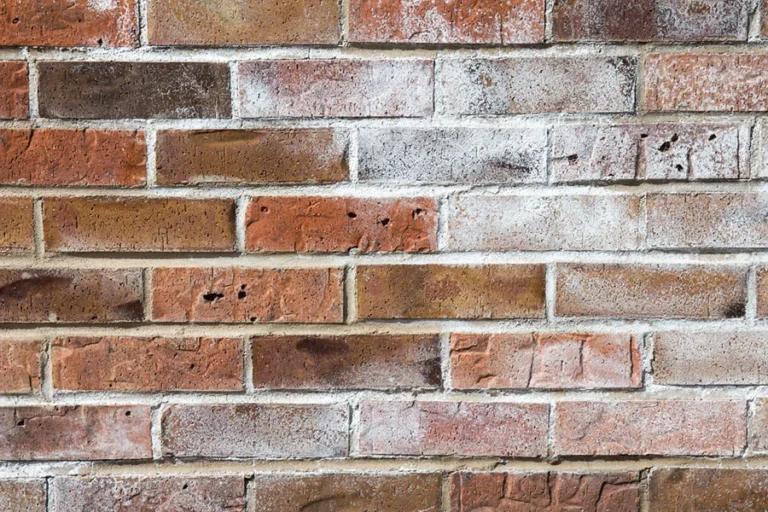
One of the most common issues in older Michigan homes is cracked or spalling brick. Spalling is the result of moisture infiltration in the brick, which then freezes and contracts with the weather. The result? A surface that is chipped, flaking, or breaking apart.
You may notice this more on:
- Brick porches
- Outdoor steps
- Walkways
- Driveway borders
- Patio surfaces
If ignored, spalling can weaken the brick, creating uneven or unstable surfaces.
Sunken or Uneven Brick Pavers
Many older brick patios and walkways sink or shift as the ground beneath them settles as a result of:
- Poor drainage
- Soil erosion
- Tree root growth
- Freeze-thaw ground movement
- Old installation materials
Uneven brick surfaces not only lead to tripping hazards but allow water to collect in low spots as well. Professional leveling and paver repair can boost appearance and safety.
You may see this problem in:
- Front walkways
- Backyard patios
- Brick driveways
- Porch entry paths
Deteriorating Mortar Joints
It’s common for mortar joints to naturally wear down over time, especially in older homes that have faced year after year of harsh weather. Once it starts to crack and crumble, moisture penetrates deeper into the brickwork of your:
- Porch steps
- Retaining walls
- Brick edging
- Walkways
- Patio borders
As a result, your bricks may start to loosen, shift, or separate entirely. You may need professional tuckpointing or repointing in Metro Detroit to reinforce the structure and prevent the invasion of even more water.
Loose or Shifting Brick Steps
Brick steps and porch entries are under a lot of strain, due to constant weight, moisture exposure, and seasonal movement. These factors may cause the steps to pull away from the porch or shift unevenly.
Be on the lookout for:
- Loose bricks
- Tilting steps
- Widening gaps
- Cracked mortar
- Water pooling near the entry
Older homes are especially at risk of instability due to settling foundations or worn masonry materials.
Water Drainage Problems Around Brick Surfaces
Poor drainage is a big culprit when it comes to outdoor brick damage in Michigan homes. Water that is allowed to pool consistently near patios, porches, or walkways can lead to:
- Cracked bricks
- Deteriorated mortar
- Soil erosion
- Shifting of surfaces
- Freeze-related damage
Older brick driveways and patios may have been installed before modern drainage standards were used, which poses an even bigger challenge to proper water flow.
Weeds and Vegetation Growth Between Bricks
It’s common for weeds, moss, or grass growth to pop up between joints of your older patios and walkways. While seemingly harmless, vegetation that is allowed to grow in these areas unfettered will gradually force bricks apart and trap moisture inside the surface.
Tree roots are another big source of lifting and cracking, as they grow and expand beneath the surface.
Addressing Masonry Problems Early On
Because outdoor brick features in older Michigan homes face constant exposure to weather, moisture, and ground movement, it’s vital to address concerning masonry problems early on. With this diligence and maintenance, you can not only preserve the appearance and safety of your patios, walkways, porches, and steps, but add longevity to your home’s exterior brickwork as well.
Get a Free Quote From It’s The Brick Guys
Many of the oldest brick homes we work on are in the city itself. If that’s you, see our page on brick repair in Detroit, including how we match century-old brick.
Got issues with your older home’s brickwork? Don’t ignore it. Get in touch with our Michigan masons today at (833) 627-4257 to schedule a free estimate and consultation on brick repair.
Services related to this article
Keep reading
 Why DIY Masonry Repairs Often Fail PrematurelyWhy do DIY masonry repairs fail? DIY masonry repairs often fail because the wrong mortar is…Read article
- 5 Common Brick Problems and How Professionals Fix ThemWhat are common brick problems and how are they fixed? Common brick problems include crumbling mortar…Read article
- Brick Repair vs. Replacement: How to Make the Right ChoiceShould I repair or replace damaged brick? Repair makes sense when damage is limited, such as…Read article
Office
It's The Brick Guys – Royal Oak
220 S Main St #750
Royal Oak, MI 48067
(833) 627-4257
Royal Oak office · Directions and reviews (opens Google Maps)
Office
It's The Brick Guys – Clinton Township
Service area: Macomb and Oakland counties
(833) 627-4257
Clinton Township office · Directions and reviews (opens Google Maps)
Office
It's The Brick Guys – Northville
235 E Main St
Northville, MI 48167
(833) 627-4257
Northville office · Directions and reviews (opens Google Maps)
Tell us about your project
Five quick fields. We call back within one business day to set up a free on-site estimate.
Prefer to talk?
Have a brick or stone project in mind?
Special offer0% financing for 24 months + 24% off any job
Free on-site estimates across Macomb, Oakland and Wayne counties. We answer calls and texts Mon–Sat 9am–6pm.